In ancient China, copper kettles were bronze vessels used for both wine and water, serving a variety of purposes. Today, modern copper kettles, represented by the national intangible cultural heritage “Zhu Family Copper Art,” inherit ancient traditions while incorporating contemporary innovations, allowing them to keep pace with the times. Each piece is handcrafted using tools such as engraving knives, hammers, chisels, and files, resulting in a masterpiece. The minimalist design, golden hue, mirror-like shine, and bell-like sound exude a natural, rustic charm. The meticulous craftsmanship ensures excellent sealing and heat evenness, preserving the flavor of tea. Furthermore, copper’s natural antibacterial properties make it an ideal material for food containers.
North of Dali, Yunnan, the copper art of Heqing is renowned far and wide. Since the Ming and Qing dynasties, artisans here have used the furnace fire and the forging hammer to write unique metallic poems on copper blanks, creating a style characteristic of Southwest China. Today, this “Heqing Handmade Copper Forging Technique” has been listed as an intangible cultural heritage. This timeless copper art is now being integrated into the daily life of contemporary consumers with a more vibrant presence.
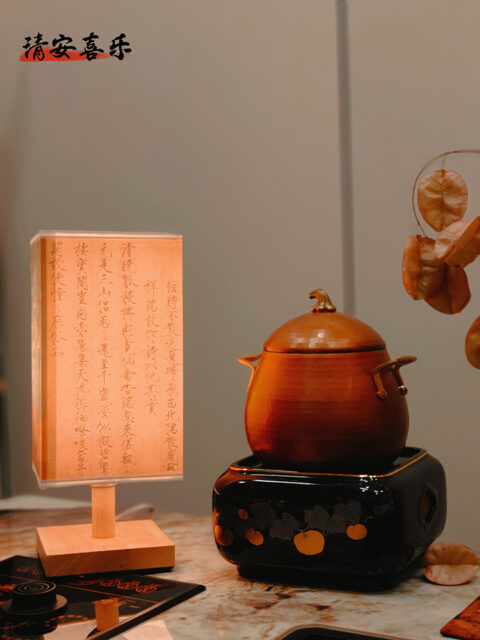
Heqing copper ware differs from today’s large-scale mechanized manufacturing; it is forged through countless hammer blows. Craftsmen select pure copper, hammering it over a hundred times to create intricate, interwoven hammer marks—not only for the texture of the object but also to balance the density of the copper during forging, improving heat conduction and retention. The warmth of the charcoal fire imbues the copper with its original color, spreading from reddish-brown to deep purple—a testament to the craftsman’s skill and the essence of this intangible cultural heritage. When this thousand-year-old technique is incorporated into contemporary objects, it becomes a tangible and perceptible poetry of life.
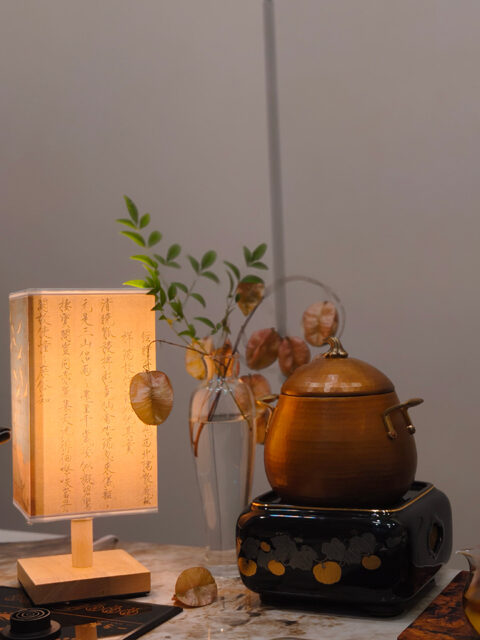
Nowadays, a growing number of contemporary products are combining this intangible cultural heritage with copper craftsmanship. The Imperial Purple Copper Charcoal Stove is a contemporary rebirth of the traditional hand warmer: its 12.5cm diameter opening can hold a handful of charcoal, perfect for warming spring tea. The tea smoke, carrying the cool fragrance of copper, spreads out-deal for camping. Setting up a charcoal stove in the mountains not only dispels the chill of winter nights but also allows the sound of boiling tea, mingling with the wind, to become a natural accompaniment. It brings the ancient sentiment of “fireside chats” to the campsite under the sky and the warm sunshine at the tea table, making the warmth of intangible cultural heritage a part of everyday comfort.
The Purple Copper Pumpkin and Dragon Egg Pot is a continuation of intangible cultural heritage in the culinary world. Taking advantage of the rounded shape of a traditional pumpkin, its 1300ml capacity is just right for a pot of simmering broth: whether it’s a slow-cooked bone broth at home or a hot pot placed on charcoal while camping, the even heat of the purple copper allows the flavors to slowly infuse into the ingredients. Its compatibility with gas, open flame, and electric stoves represents a gentle integration of traditional copperware with modern life—yet at its core, it retains the unwavering dedication of Heqing artisan: the uncoated inner wall prevents the accumulation of odors, embodying the ancient wisdom of “food vessels carrying flavor.”
The sound of Heqing’s hammer has resounded for millennia, now falling on the handles of charcoal stoves and the curves of pots, transforming the warmth of copper art from the smoke of ancient market cooking and the warming stoves of palaces to the charcoal fires of campsites, the tea smoke at tea tables, and the boiling pots at dining tables. When you grasp the handle of that purple copper charcoal stove, your fingertips touch not only the coolness and warmth of the copper, but also the strength of the craftsmen’s wrists and the temperature of the fire accumulated over a thousand years—the most vibrant manifestation of intangible cultural heritage: it is not merely a term from ancient books, but the craftsmanship you can touch and the warmth of the fire you can taste with every use.
Article partially referenced from:
www.daliwenlv.com/p/3241.html