

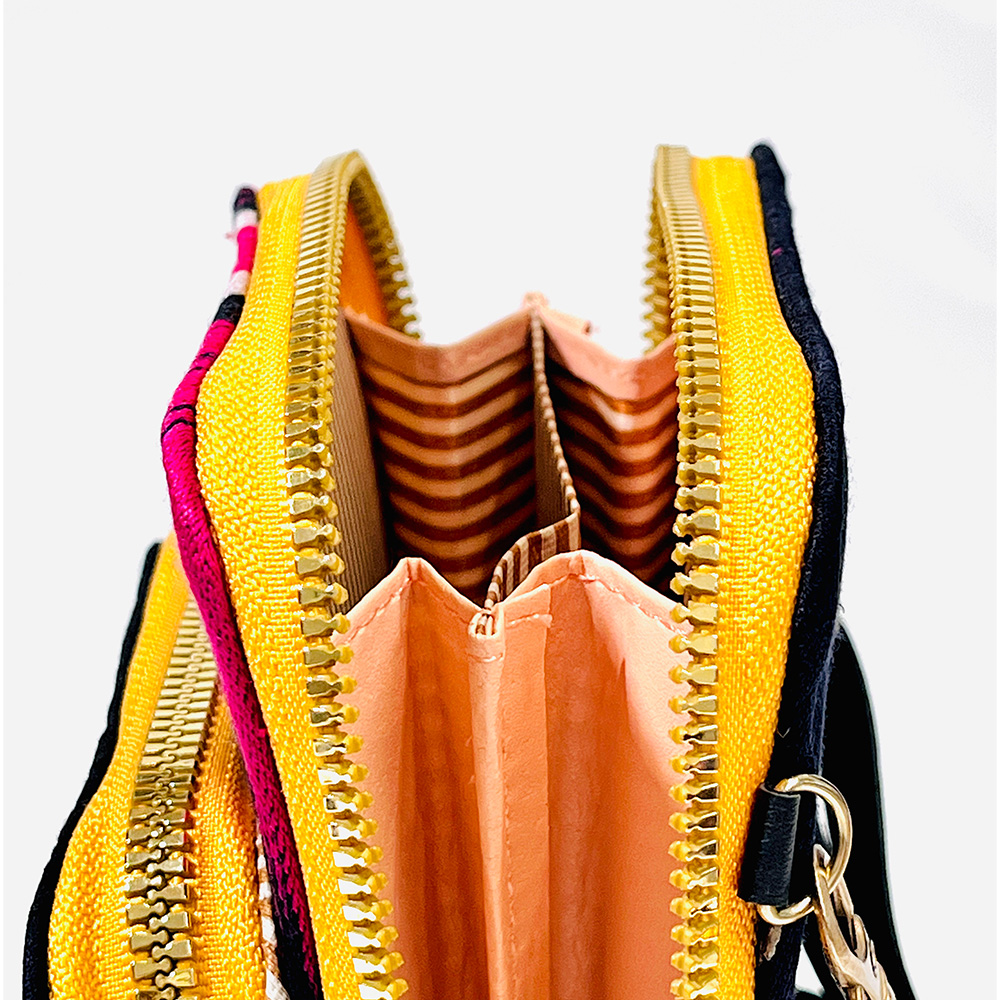
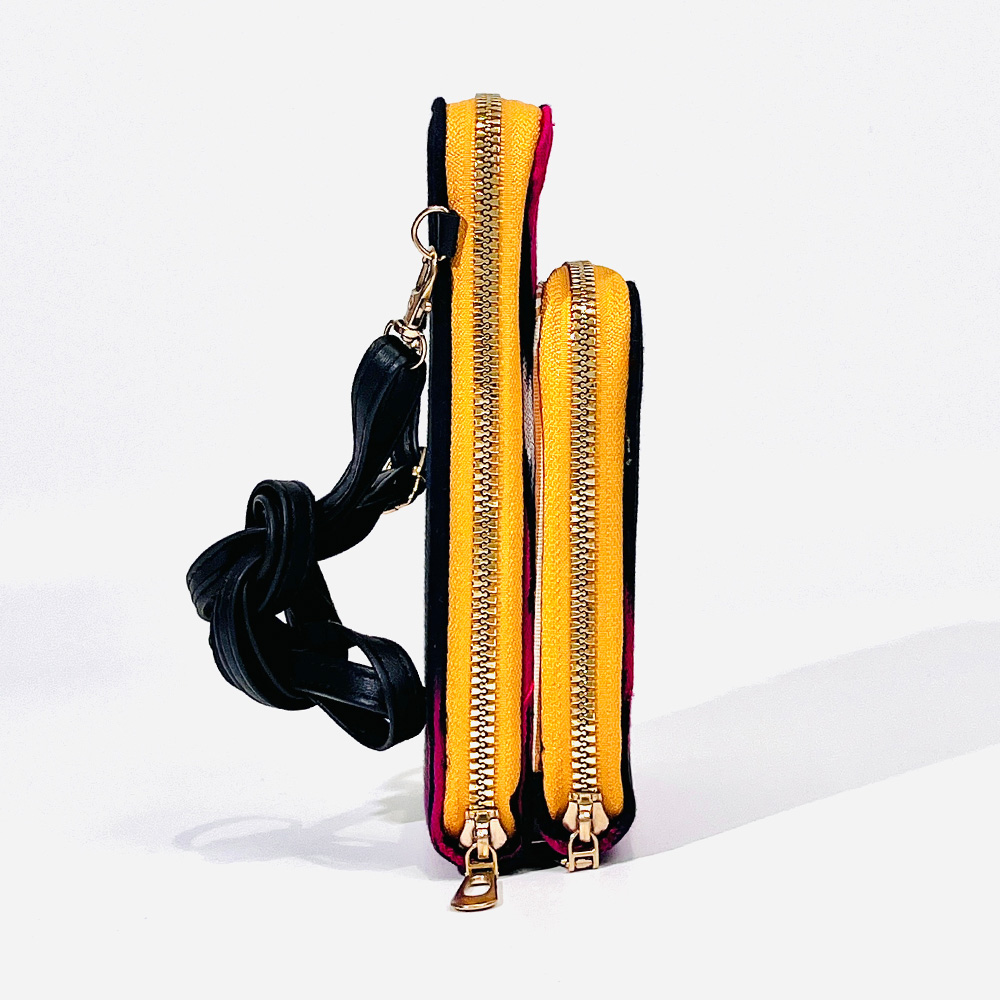
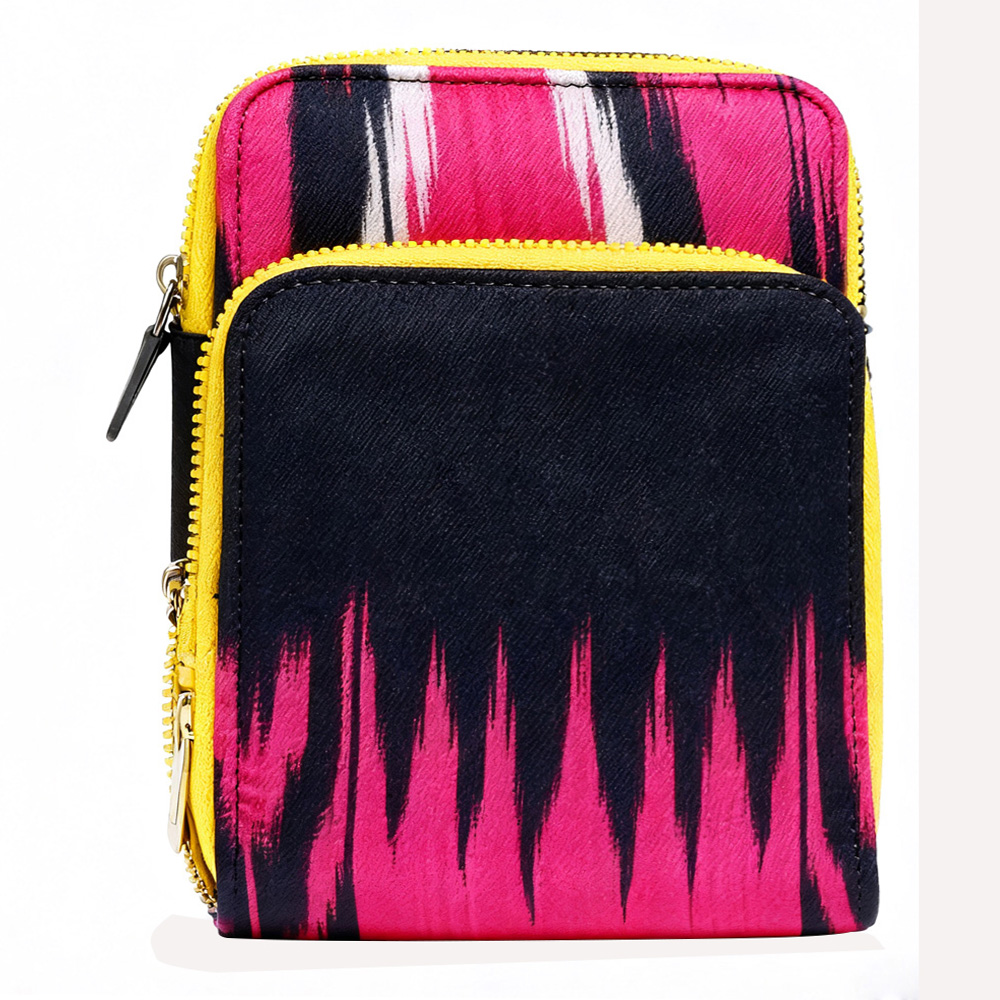
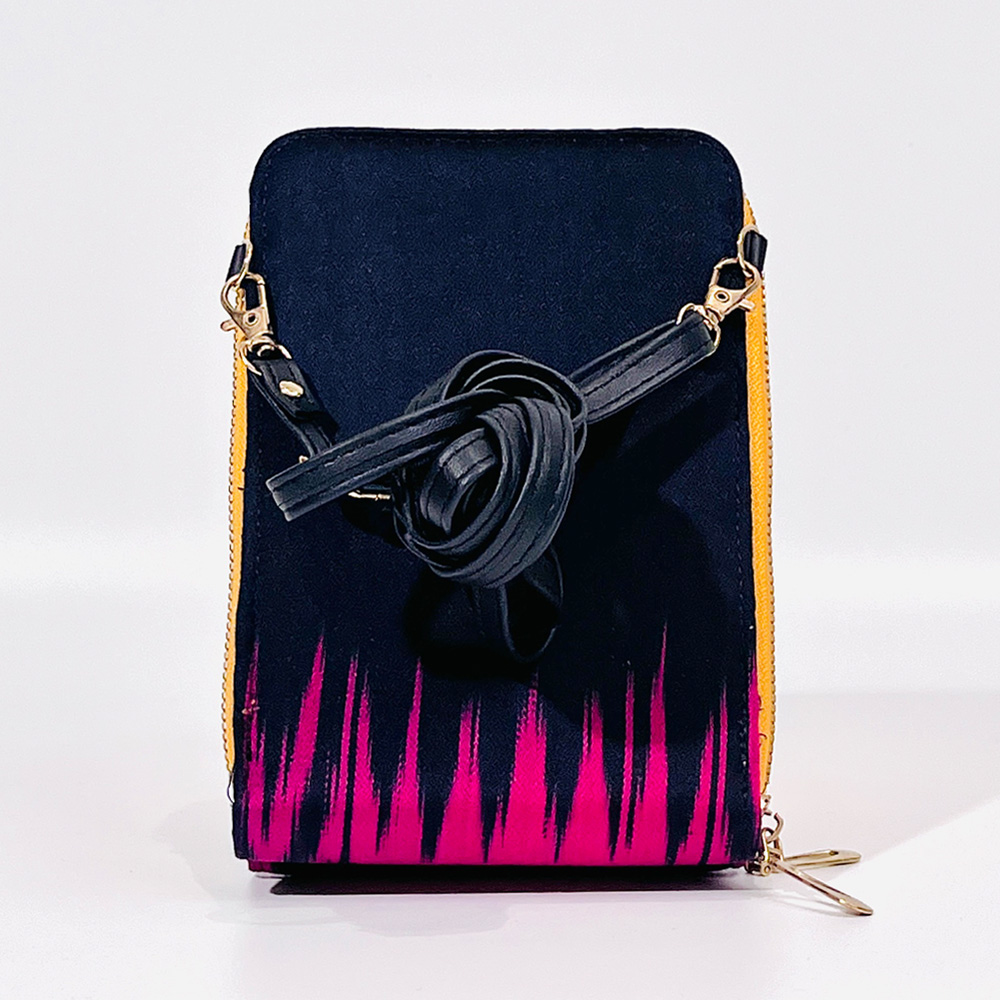






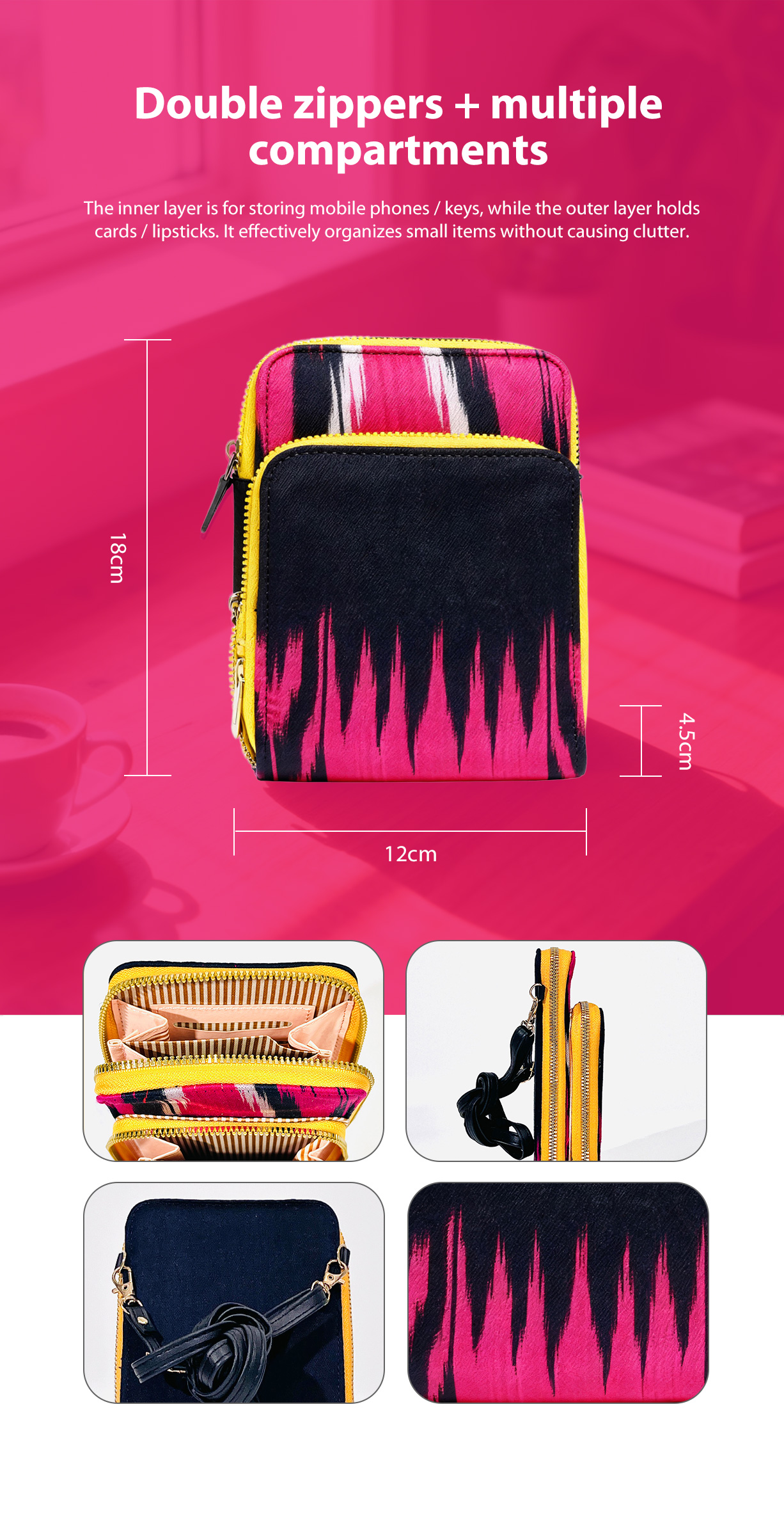
Specifications
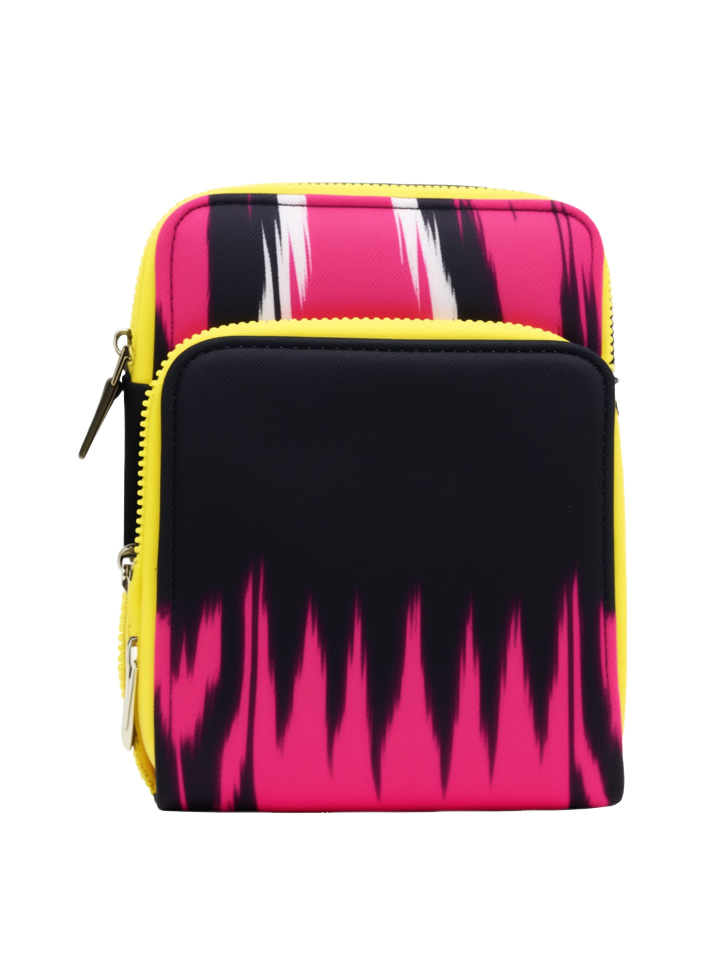
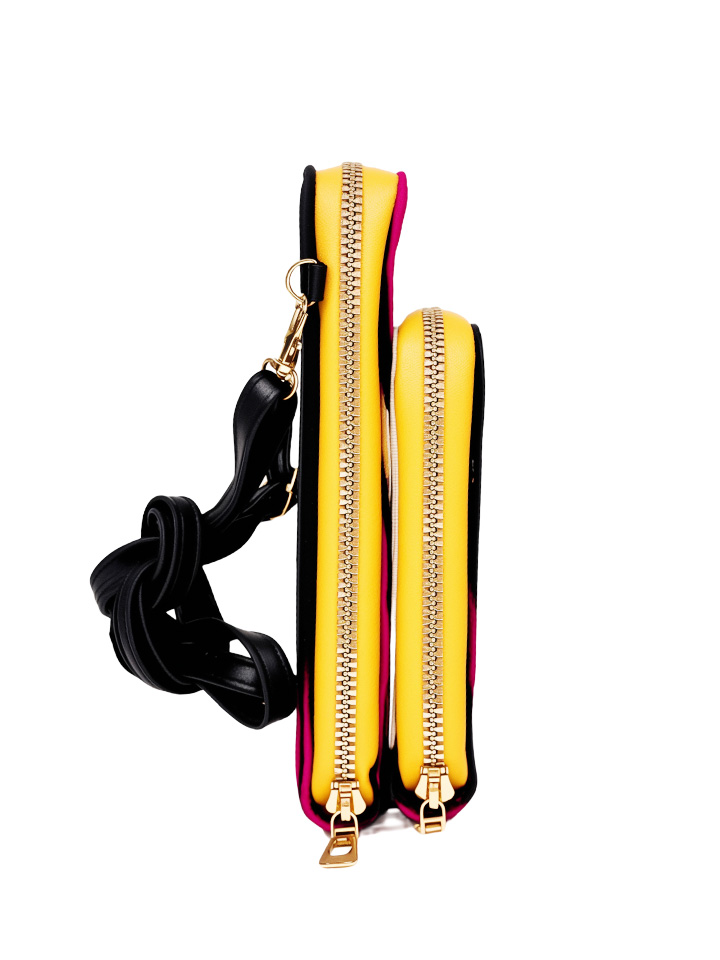
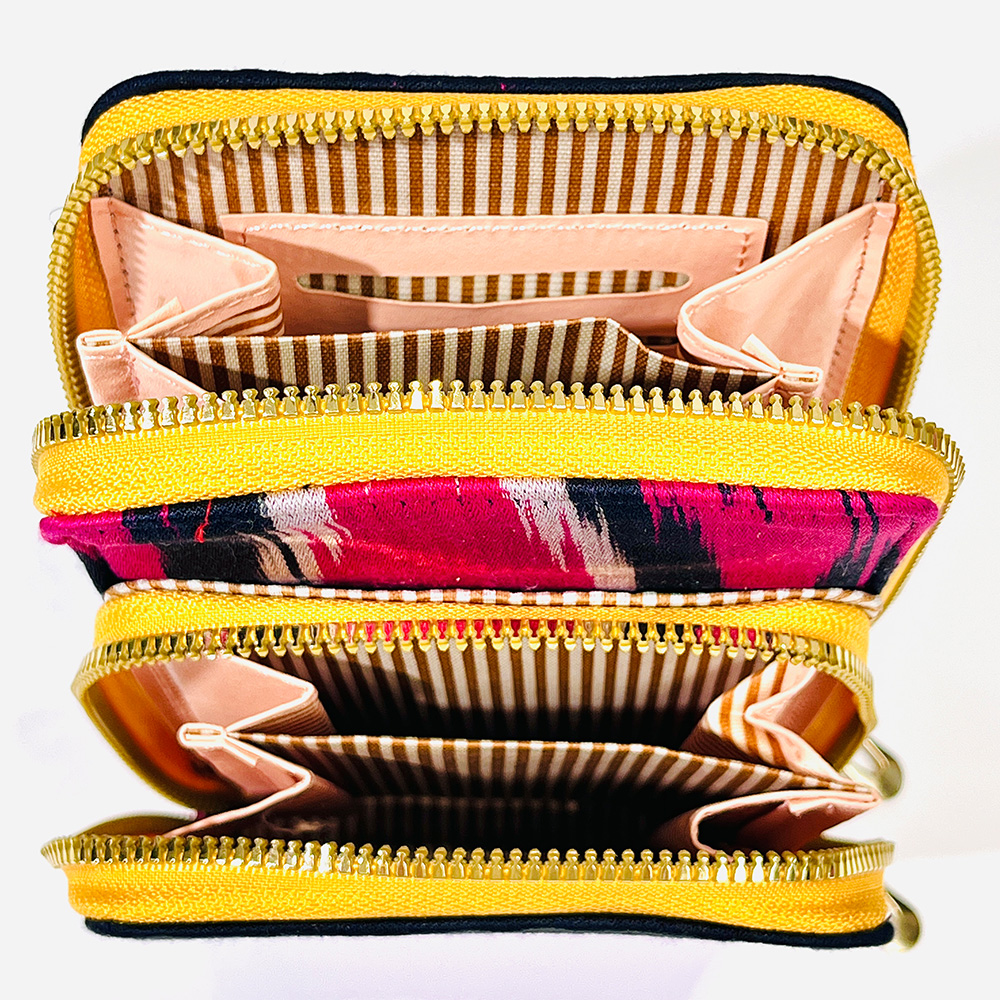
| Model | Atlas silk Double-layer wallet | Length | 18cm |
|---|---|---|---|
| Material | Mulberry silk | Width | 12cm |
| Weight | approximately 140 grams | Thickness | 4.5cm |


boiling to extract silk, reeling, design, bundling, tie-dyeing,
pattern refinement, and machine weaving
to ultimately become Edles silk.
At a handcrafted Edles silk workshop in Jiya Township, Sudurhan Abudurehemu boils silkworm cocoons to extract the silk threads.
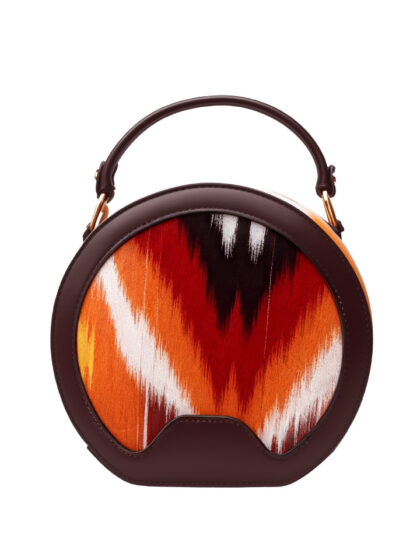
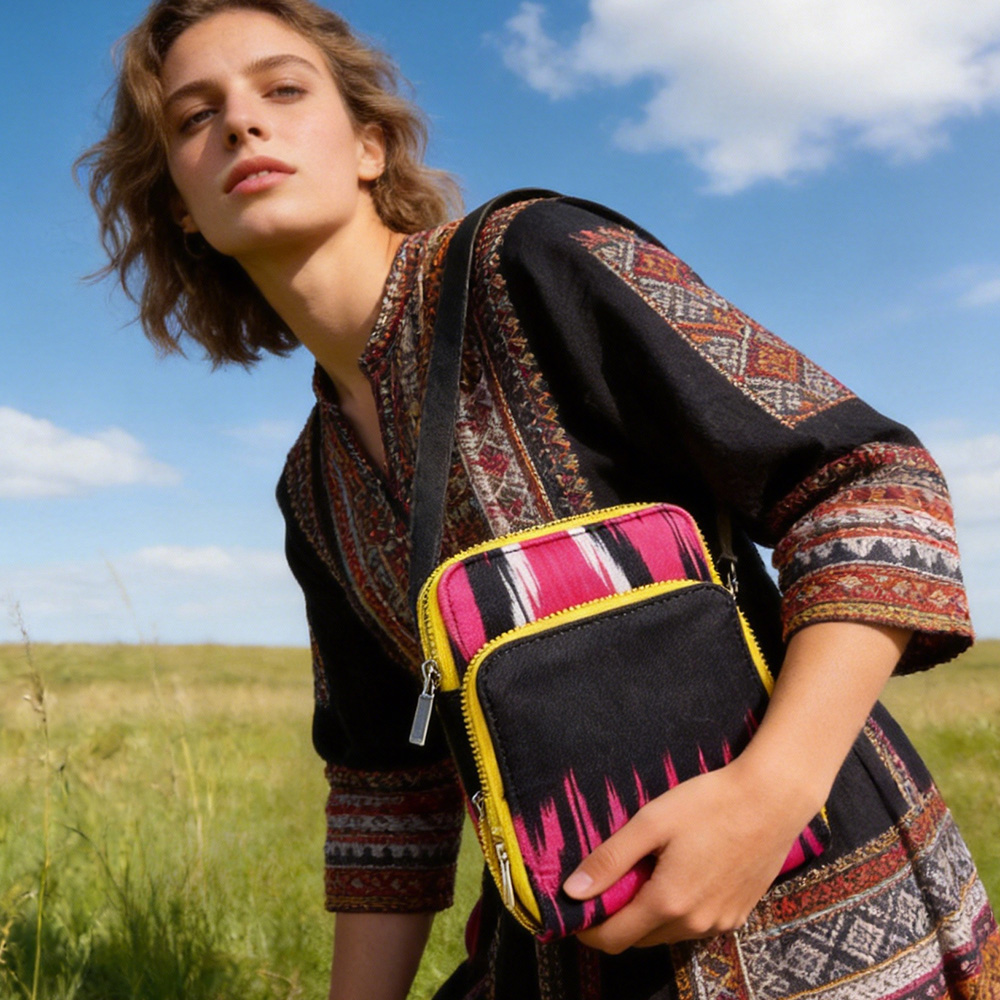
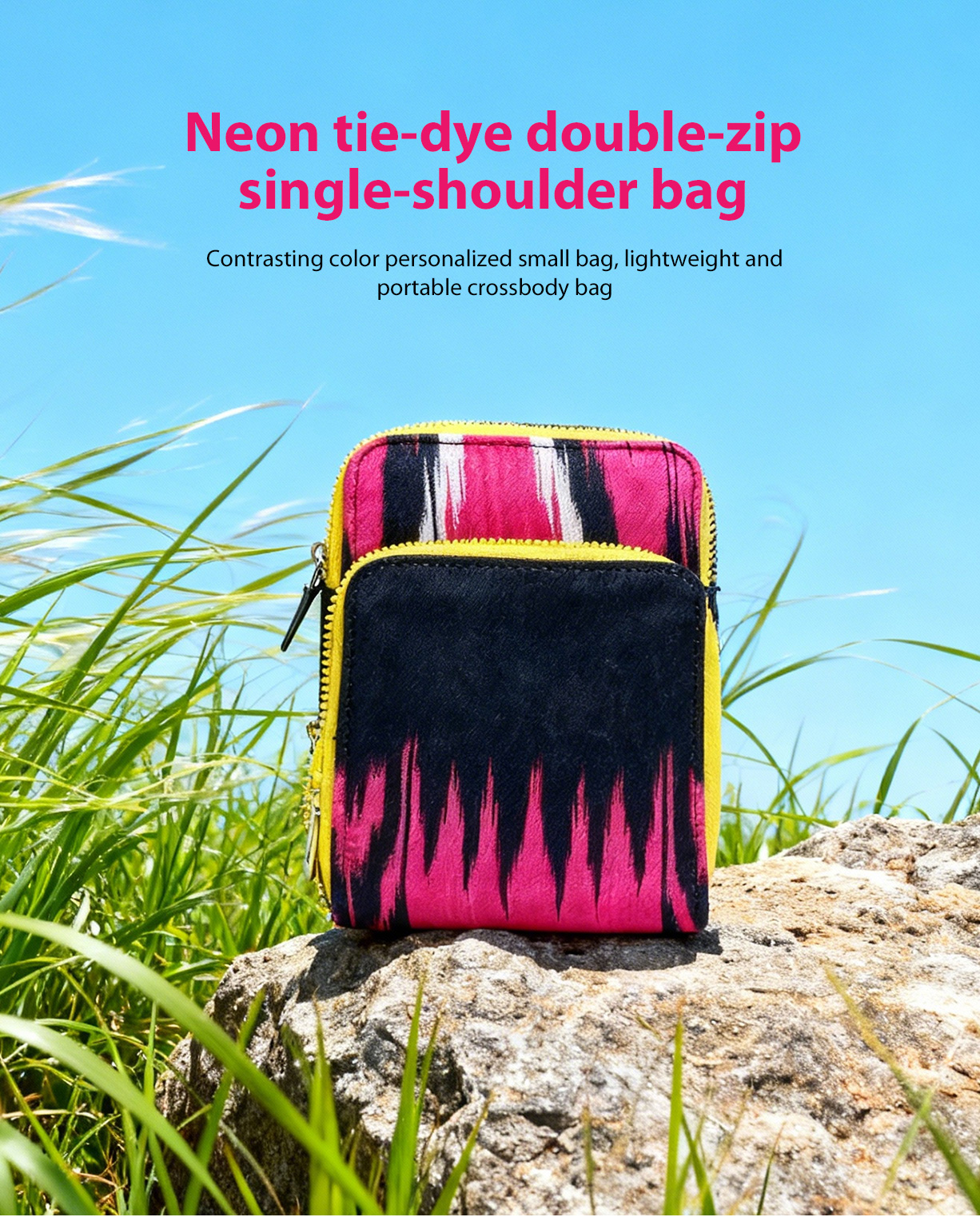
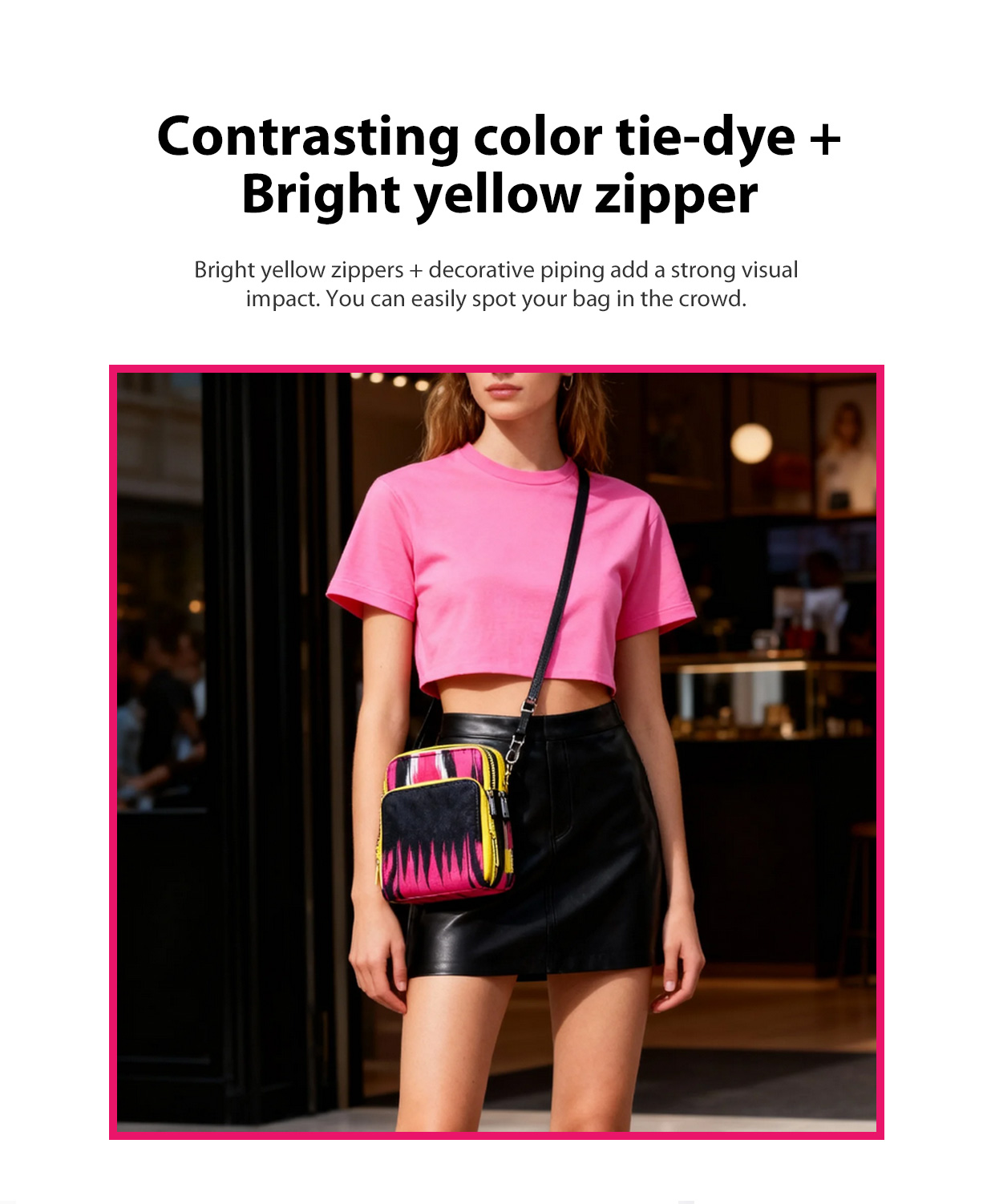
Aydelis, meaning “tie-dye”, involves dyeing before weaving. Its patterns blend regional characteristics, commonly featuring pomegranate motifs, almond designs, hand drum patterns, and ram’s horn shapes. With its dreamlike, dazzling colours, this silk flows across the Tianshan Mountains, having become a visual symbol representing Xinjiang. In 2008, the Aydelis silk weaving and dyeing technique was inscribed on the National Intangible Cultural Heritage List.
In Hotan’s Jia Township, ancient tie-dye techniques and wooden looms remain preserved, with the area regarded as the primary birthplace of Edles silk. Local residents take pride in Edles, vying to become inheritors of this intangible cultural heritage craft. Upon entering Jia Township, the rhythmic clatter of looms fills the air. Through the adoption of modern techniques such as mechanised weaving and innovative design, these intangible cultural heritage crafts have been revitalised. Edles silk produced locally in Hotan has now transcended Xinjiang’s borders, finding markets across China and gradually gaining international recognition. Visitors from afar flock to experience this enchanting and vibrant ancient tradition.